


Good morning, everyone.
This week’s newsletter includes: Paul Tudor Jones epic trading failure, Ken Griffin’s scary AI quote, Larry Fink's personal security bill and old Hermes ties.
How To Leverage Failure
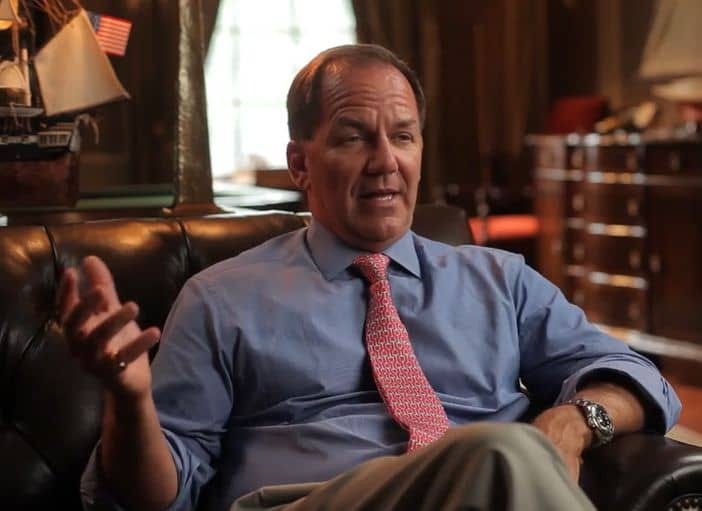
Paul Tudor Jones lost 70% of his fund on one catastrophic trade. Here’s how unbelievable failure turned him into a trading legend…
In 1979, Paul Tudor Jones was a young, ambitious trader making bold bets in the cotton market. Known for his confidence, he had built a reputation as a rising star.
But one fateful trade almost destroyed his entire career.
Paul placed an enormous, highly levered long position, confident the market was on the verge of a rally. Instead, prices collapsed.
“I knew immediately the market was going down, and it was my blood that was going to carry it there,” he recalled. As the market plummeted, he scrambled to exit his position, but it was too late.
The losses were staggering - 70% of his clients’ equity was wiped out. Paul turned to his colleague and said: “I am not cut out for this business. I don’t think I can hack it much longer.”
The loss was so catastrophic that he faced a choice: quit trading or learn from his mistake.
Determined to rebuild, Paul created a new risk management strategy and became obsessed with discipline. He set strict rules for cutting losses quickly, never risking more than 1-2% of his capital on a single trade.
Paul’s new philosophy was - survival first, profits second.
This approach was transformative. By the mid-1980s, he established Tudor Investment Corporation, and was delivering annual returns exceeding 100%. His most famous moment came in 1987 when he correctly predicted the Black Monday market crash, using his defensive strategy to make $100 million in a single day.
Paul recalled that stressful time: “I went to the edge, questioned my very ability as a trader, and decided that I was not going to quit. I was determined to come back and fight.”
“You learn more from your losses, than from your gains.”
Finance Culture
I enjoyed Ken Griffin’s talk at Stanford recently. The most worrying aspect of his appearance boiled down to one quote: “to be blunt, work that we would usually do with people with master’s and PhDs in finance over the course of weeks or months is being done by AI agents over the course of hours or days.” Yikes.
JP Morgan is hiring for someone in NYC to “connect the brand to celebrities, musicians, artists, athletes, creators and influencers”. The pay? $190,000 a year. Plus bonus.
Blackrock have increased the annual personal security spend on Larry Fink, reports FNLondon. The mega-manager now spend around $750,000 per year on Larry’s personal security. For context, Jamie Dimon’s personal security comes in at $882,000 per year. But finance CEO’s are dwarfed by tech - Jensen Huang’s personal security is $8m per year and Zuck’s annual security spend is an eye-watering $27m.
The FT reports that the NYSE is opening a private members club in New York this summer, “a new invite-only club set up in a renovated vault that formerly housed stock certificates”.
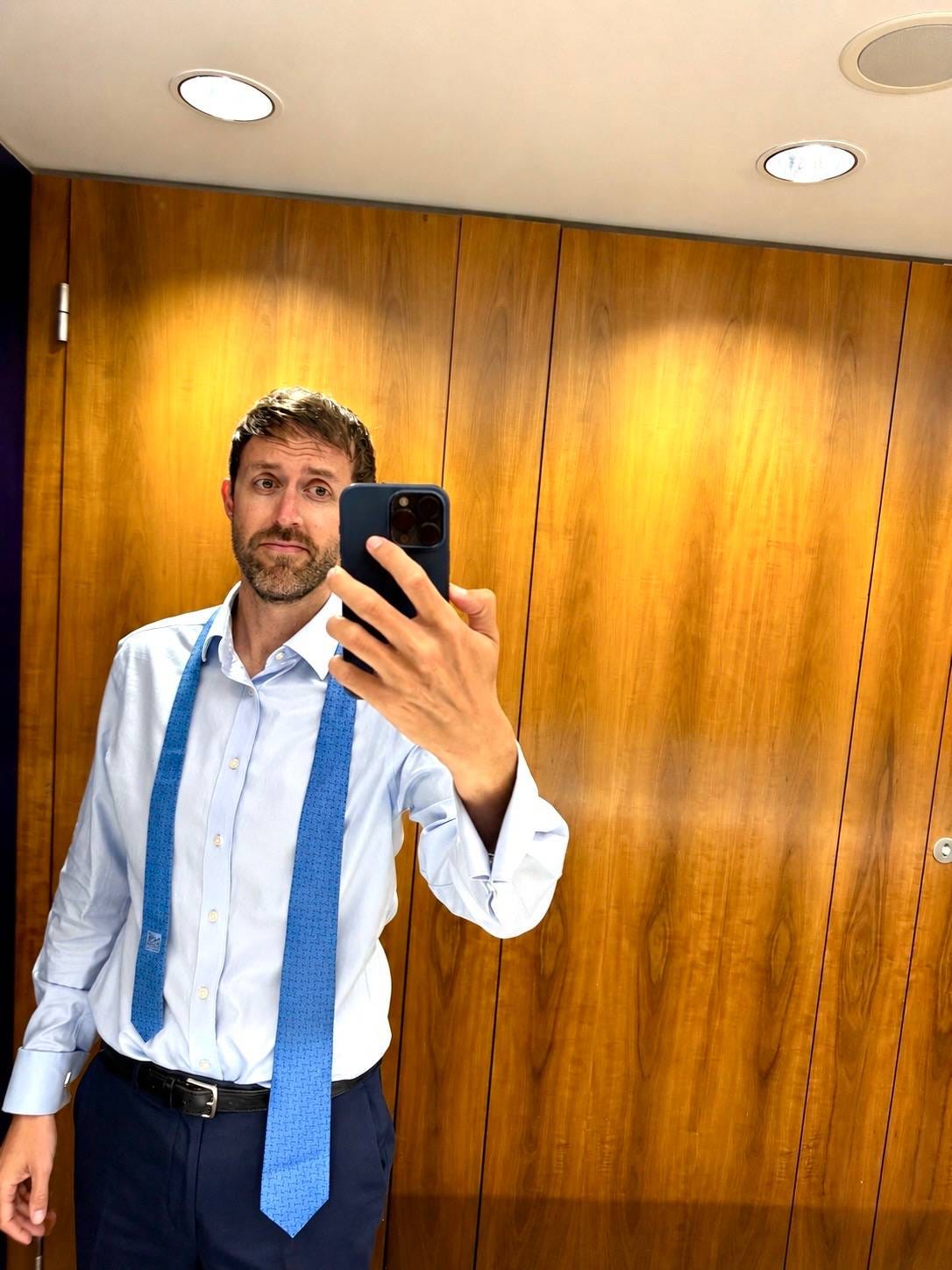
In London this week I met with an 80’s finance icon. A legend of the golden era, who showed up in an immaculate tie. Like a lot of you, I have a draw full of Hermes ties that are now “stranded assets”. What are people doing with their abandoned ties? No secondary market, and frankly too nice to sell.
Recommendation’s
I created a new video on the story of Paul Singers investment into Argentina in 2001, leading to one of the craziest scenario’s in financial history. It took me a while to research and film this. Give it a watch and see what you think.
For more on Paul Tudor Jones, there is only one link I need to share with you: The Trader - Making of a Market Legend (Paul Tudor Jones). An incredible account of Paul and how his mind works.
How Secretive Hedge Fund Made $2Bn (Navy Warship)
Paul Singer lent Argentina money, but the country immediately collapsed. So he took one of their warships hostage to get his money back…
2,000 smart finance and business executives subscribe to Business Story, including senior exec’s from Blackstone, PIMCO, Goldman Sachs and Citadel. If you know someone who would enjoy this kind of content, forward this on to them.


Joseph Cass